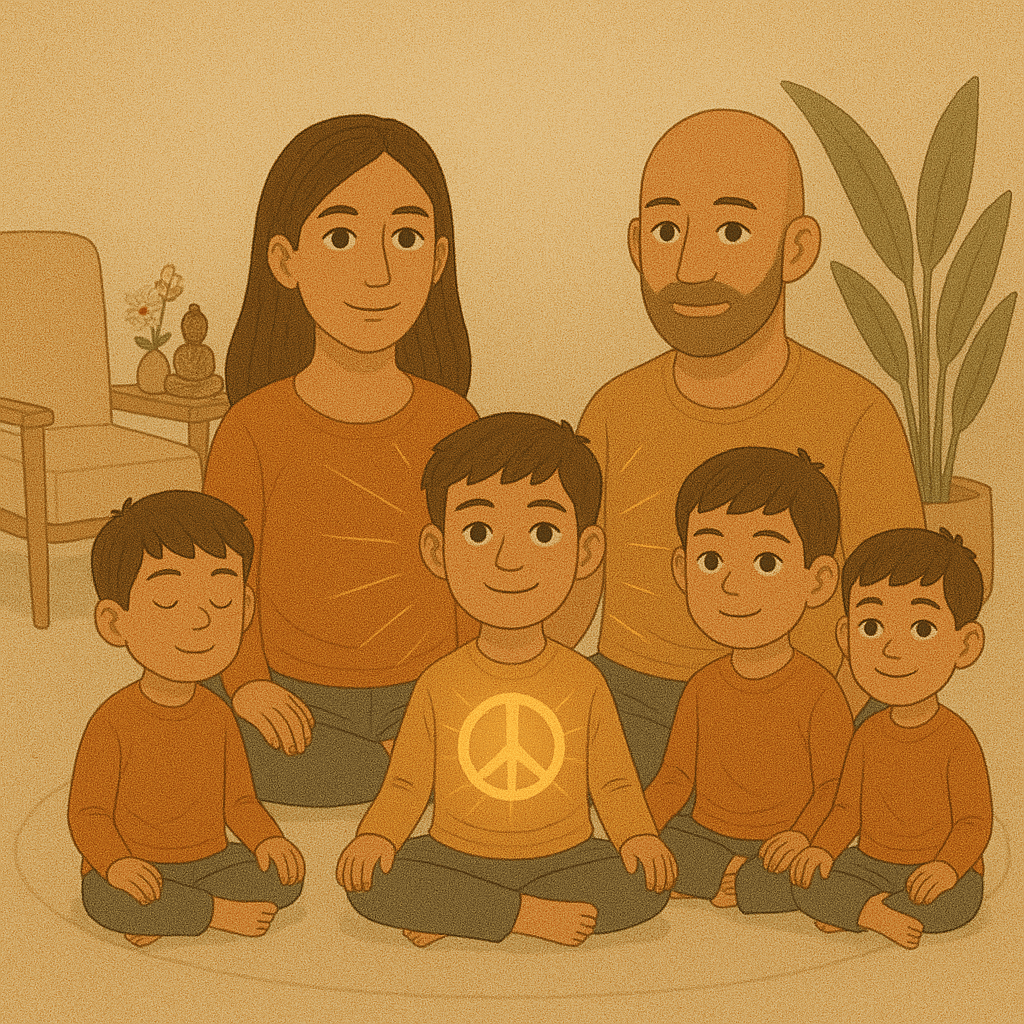
For most of my life, I thought kindness meant saying yes. That the best version of me was the one who could anticipate everyone else’s needs, smooth over awkward moments, and keep the peace at all costs. I told myself it was empathy, it was maturity, and it was love. But lately I’ve realized it came from something else too, from a small fear of letting anyone down.
People-pleasing has this illusion of safety. There is a strange comfort in people-pleasing because it tricks you into believing that if you can just be enough, calm enough, helpful enough, understanding enough, then maybe the world will stay smooth around you. Maybe there won’t be conflict. Maybe no one will be upset. But that’s not peace. That isn’t connection. That’s performance. And it takes a toll I didn’t notice until I started feeling the cracks.
Because the truth is: I’ve been struggling. I want everyone around me to feel happy, to feel held, to feel understood, but I rarely give myself the same courtesy. I am so affected by words, by tone, by looks, by the smallest shift in someone’s expression. I carry it all. I give so much of myself, but I almost never pause long enough to ask, “Hey, how am I doing? What do I need?”
This is something I have been working on in therapy, but I have slipped up again. The last few weeks have pulled me right back into those old patterns of replaying conversations, wondering if I said too much or too little, measuring myself against expectations I don’t even remember agreeing to. I wondered if I should have been softer, quieter, more accommodating. Meanwhile, I go about the day with the kids, making breakfast, driving to school, handling meltdowns, answering clinic messages, but my mind kept circling back to that one moment. That’s the thing about being affected by words: you still function, but you don’t feel whole. It took a few quiet car rides and some deep breaths to realize that the peaceful silence isn’t peaceful at all. It’s me disappearing.
And then, out of nowhere, I got a letter from a colleague, a thoughtful note saying how grateful they were for me and how I was “unapologetically myself” at work. I read that line again and again. Because I suddenly noticed how long it’s been since I’ve felt that way anywhere else. Somewhere along the way, I started losing myself to keep the peace.
It brought me back to my childhood room and the stickers on the door that read, “Always put a smile on others’ faces.” I still love that sentiment. I still believe kindness is one of the most beautiful ways to show up in this world, leading with warmth. But that little girl didn’t mean, “Sacrifice yourself to keep everyone else comfortable.” She just wanted to bring light. And I owe it to her and to me to keep shining without dimming myself down.
And of course, all of this makes me think about my kids.
Because research shows again and again that children learn boundaries, emotional regulation, and self-worth not from what we say, but from what we model. Psychologists note that children raised around chronic people-pleasers often grow up believing their own needs are “too big” and that harmony is more important than honesty. And I don’t want that for them. I see glimpses of it already.
When V immediately says, “Sorry, sorry, sorry!” even when nothing has happened. When H cries but then whispers, “I’m fine,” because he doesn’t want to make anyone upset. When A tries to mediate every sibling argument even when he’s the one who’s hurting. When D looks around for someone to notice that he is about to cry.
And then there are moments when I show them a healthier way and I notice the difference instantly.
Yesterday, we had a family meeting for the first time, and we talked about any changes anyone wanted to make. The first thing the older two said was when someone was having a hard time, they wanted an adult to accompany them to the calming corner (we have made a corner upstairs with a comfy chair, with some flowers next to it, a poster of how to pivot from red brain to green brain, and a little Buddha). They want to sit there for five minutes, with an adult, and then rephrase what they meant earlier to make things better.
And there I knew, they were learning from wanting space for themselves, they wanted the support of someone who made them feel safe, and they wanted the chance to repair. I asked if that could apply to us adults too, and they said of course they would join us.
I make it a point to apologize to them whenever I think I should repair from my own actions, and that teaches them confidence and emotional resilience. They always say, “it’s okay, mama” without fear or guilt. We hug afterwards, feeling safe and heard.
These small moments matter. These moments teach them what I am still trying to teach myself:
You’re allowed to have feelings.
You’re allowed to take up space.
You’re allowed to be whole.
I want to raise these kids to put a smile on their own faces while also bringing joy into rooms for others. I don’t want them to contort themselves to be loved, I want them notice others just like they notice themselves.
So I am rewiring my brain, with the help of parenting my children.
Letting go of people-pleasing doesn’t mean letting go of love. It means loving differently. Less about avoiding disappointment, more about staying grounded in who you are. Less about smoothing every bump, more about allowing yourself to stand tall, even when things wobble a bit. Stand strong.
The first “no” will feel strange, heavy, and almost wrong. But it eventually softens, because it makes room for “yeses” that actually mean something. Yes to rest. Yes to boundaries. Yes to showing up as your whole self, not the edited version.
To embrace the peace within is to trust that you can be kind and truthful, gentle and grounded. You can be warm without burning yourself out. Real peace doesn’t come from keeping everyone else calm, instead it comes from staying true to yourself, even when the world around you is noisy.
So here’s to returning to yourself: the one who smiles because she means it, who continues to give because it fills her, who teaches our children not through perfection but through being present, allowing for repair and speaking the truth. Please know that true kindness should never ask you to disappear. Let us embrace the peace within and show others how to find theirs too.


 Embrace
Leave a reply to Anonymous Cancel reply